Every great legacy begins with a story, the kind that outlasts its moment and becomes woven into the identity of a place, a community, or an entire generation. But a legacy doesn’t preserve itself. It must be shaped, interpreted, and made tangible. At Rotblatt Amrany Studio, where our work has defined landmarks and cultural icons around the world, we’ve learned that legacies endure when they are transformed into meaningful experiences.
Whether you’re a sports organization, cultural institution, city, or individual leader, here is how to approach immortalizing a legacy with intention, artistry, and resonance.
1. Start With the Essence: Define What Should Be Remembered
A legacy is not a résumé, it’s an emotional truth. Before commissioning artwork, ask:
- What is the defining spirit behind the story?
- Which moments marked a turning point?
- How did this individual or institution impact the culture around them?
The answers become the blueprint for every creative decision that follows. Great artists listen for these themes first, before sketching a single line, so the final work becomes a living reflection of the legacy itself.
2. Translate Story Into Form
Once the narrative is clear, the next step is choosing how it should take shape. This is where artistic vision meets cultural strategy.
Monuments and Statues
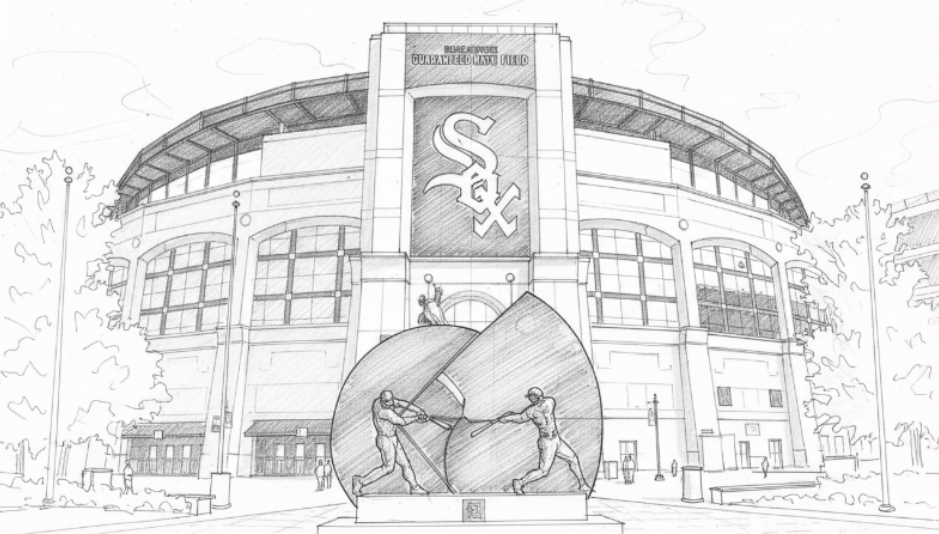
Monuments and sculptures embody legacy at human scale, honoring individuals, teams, founders, or community heroes. A great figurative sculpture doesn’t just resemble a subject; it captures energy, motion, and character. It invites connection.
Architectural Integration
Sometimes a legacy is bigger than a single figure. Integrated elements, structural forms, reliefs, sculptural walls, or symbolic materials, can turn a building or public space into an emotional experience.
Urban Art Interventions
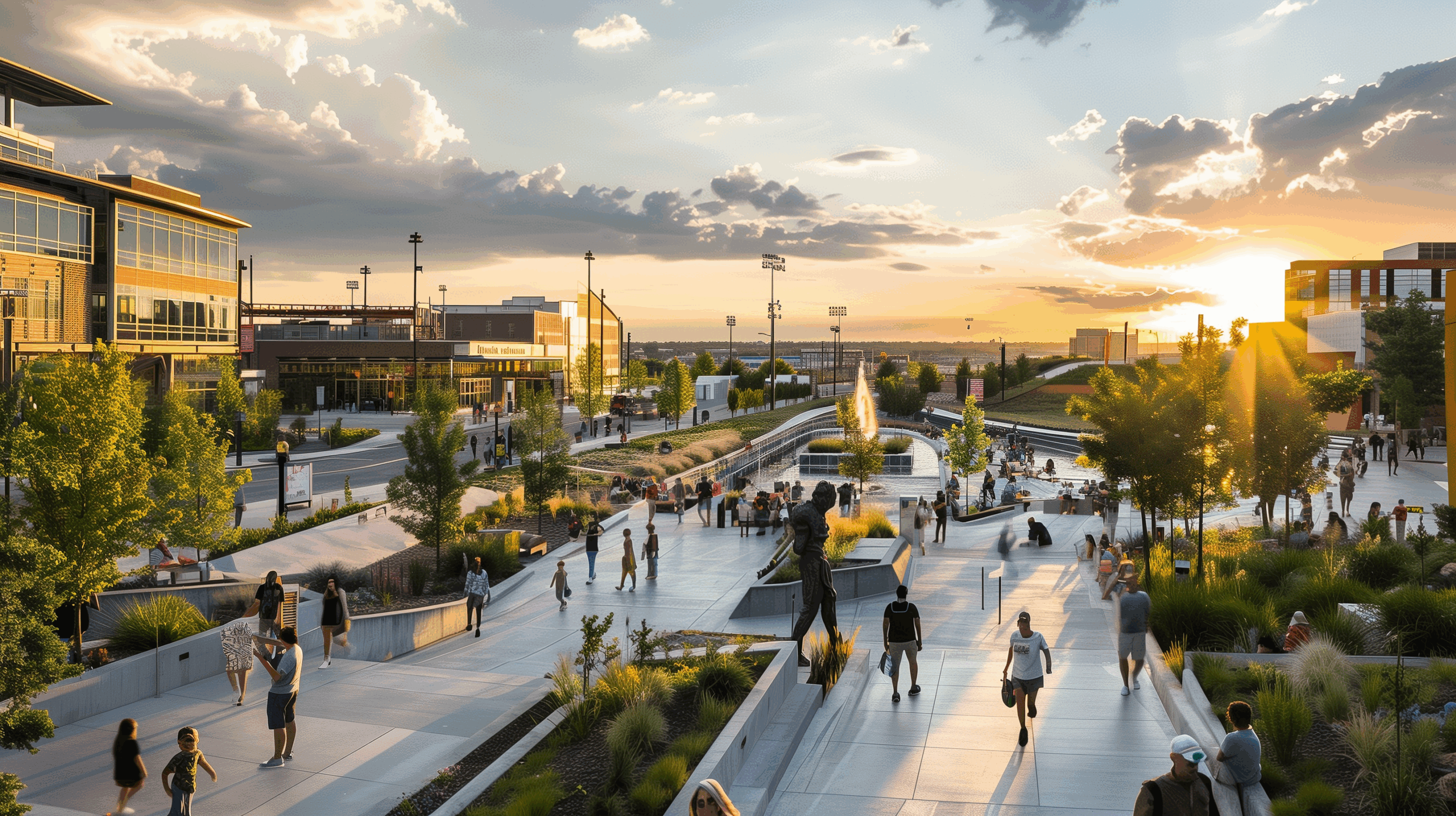
Urban art offers a contemporary path to legacy. Large-scale installations and mixed-media expressions can activate districts, shape civic identity, and create social engagement. When placed strategically, these works anchor neighborhoods and spark tourism.
Legacy is not about size, it’s about resonance. The medium must match the meaning.
3. Respect the Power of Place
A legacy grows stronger when it lives where people gather, celebrate, and remember. That’s why site selection matters as much as the sculpture itself.
Consider:
- Foot traffic and visibility
- Emotional connection to the location (stadium, cultural center, historical site)
- Architectural context
- Long-term stewardship
The right environment elevates the artwork from an object to an experience. It becomes part of the urban fabric, an anchor for memory and identity.
4. Build With the Future in Mind
Legacy-building is a long game. Materials must withstand environment, weather, and decades of recognition.
Not all sculpture artists are storytellers. Immortalizing a legacy requires a team who can merge craftsmanship, engineering, narrative, and emotion.
Look for artists who:
- Work across materials such as bronze, stone, or mixed media.
- Understand both classical technique and contemporary design.
- Have experience creating public work that withstands time.
- Collaborate deeply rather than simply executing instructions.
At its best, the artist becomes a steward of the story, translating legacy into timeless form.
5. Incorporate Technology to Build a Multilayered Legacy
Today, legacies evolve beyond physical sculpture.
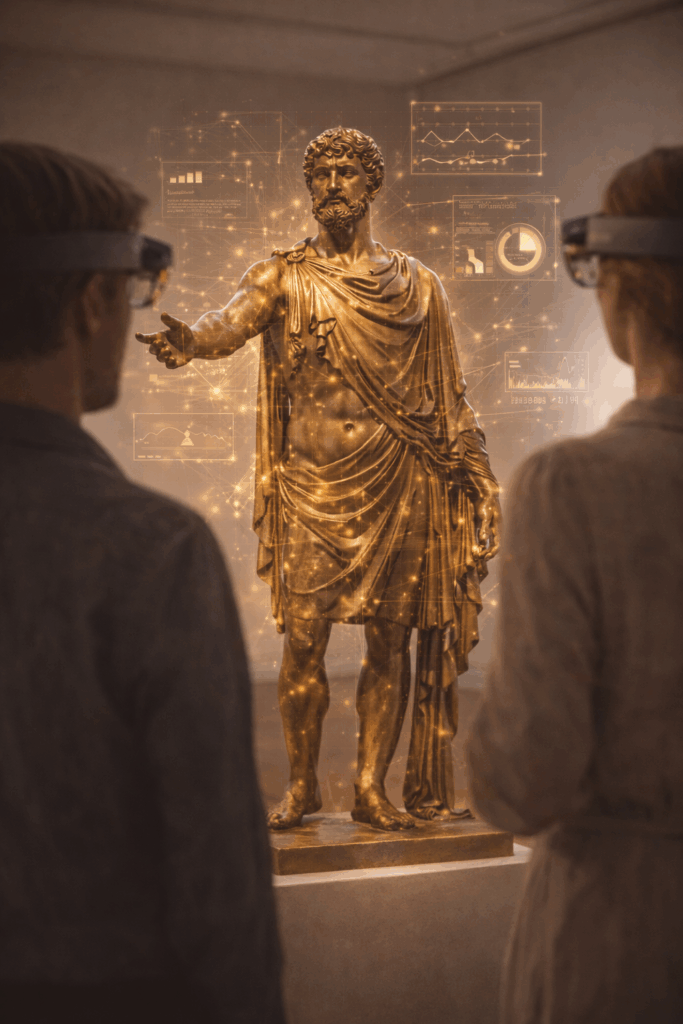
Augmented Reality
AR activations allow visitors to unlock deeper stories, historic moments, archival footage, interviews, or digital layers of artwork. This turns a custom statue into an interactive destination.
Lighting and Media Integration
Dynamic lighting, projection mapping, or embedded audio can transform art from a static object into a living monument.
Technology doesn’t replace craftsmanship, it expands it. It ensures that the legacy keeps speaking to future generations.
6. Invite Community into the Story
The most enduring legacies feel shared. Involving community voices ensures relevance and authenticity.
Ways to engage:
- Workshops or listening sessions
- Donor or fan participation
- Story submissions
- Interactive installations
- Commemorative events around unveilings
When people see themselves reflected in the artwork, it becomes a cultural touchstone, not just a monument.
Legacy Is a Craft
To shape a legacy is to shape meaning. It requires vision, artistry, collaboration, and an understanding of how people connect to story and place.
At Rotblatt Amrany Studio, we believe legacy lives not only in bronze or stone, but in the emotions people feel when they stand before a work of art that speaks to them. Whether through a custom statue, an architectural integration, or an urban art installation, our purpose is to turn stories into landmarks, moments into monuments.