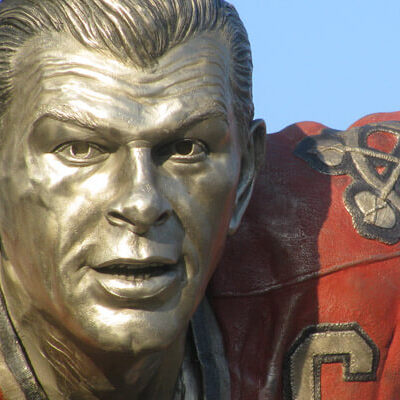
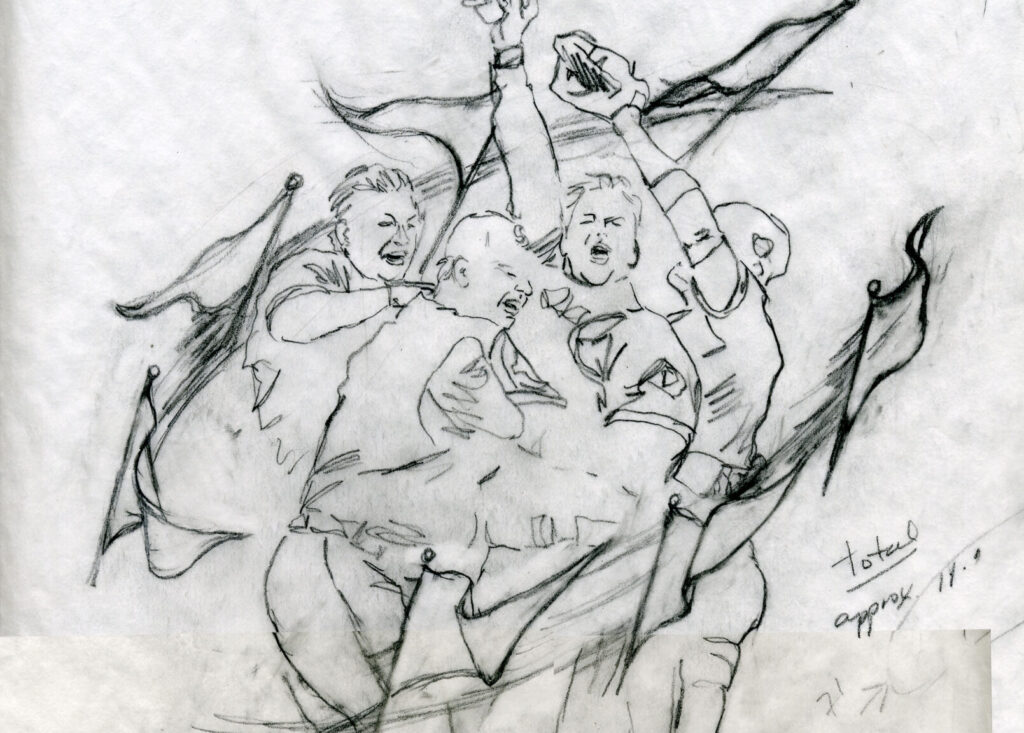
The process of how sculptures are made involves far more than just physical labor or technical skill. Our team believes that a truly great monument acts as a vessel for the human spirit. Because of this, we begin every project by looking for the emotional core of the subject. We want to capture a feeling that resonates with every person who walks past the finished work. Consequently, the research phase is the most critical part of our artistic journey.
In a digital age, people crave authentic and tangible connections to history. Bronze and stone provide a sense of permanence that other materials simply cannot match. Therefore, we use these mediums to translate fleeting moments into lasting tributes. Our artists spend hundreds of hours studying the specific mechanics of a pose. We do this to ensure that the final sculpture feels alive and dynamic.
The Michael Jordan Spirit
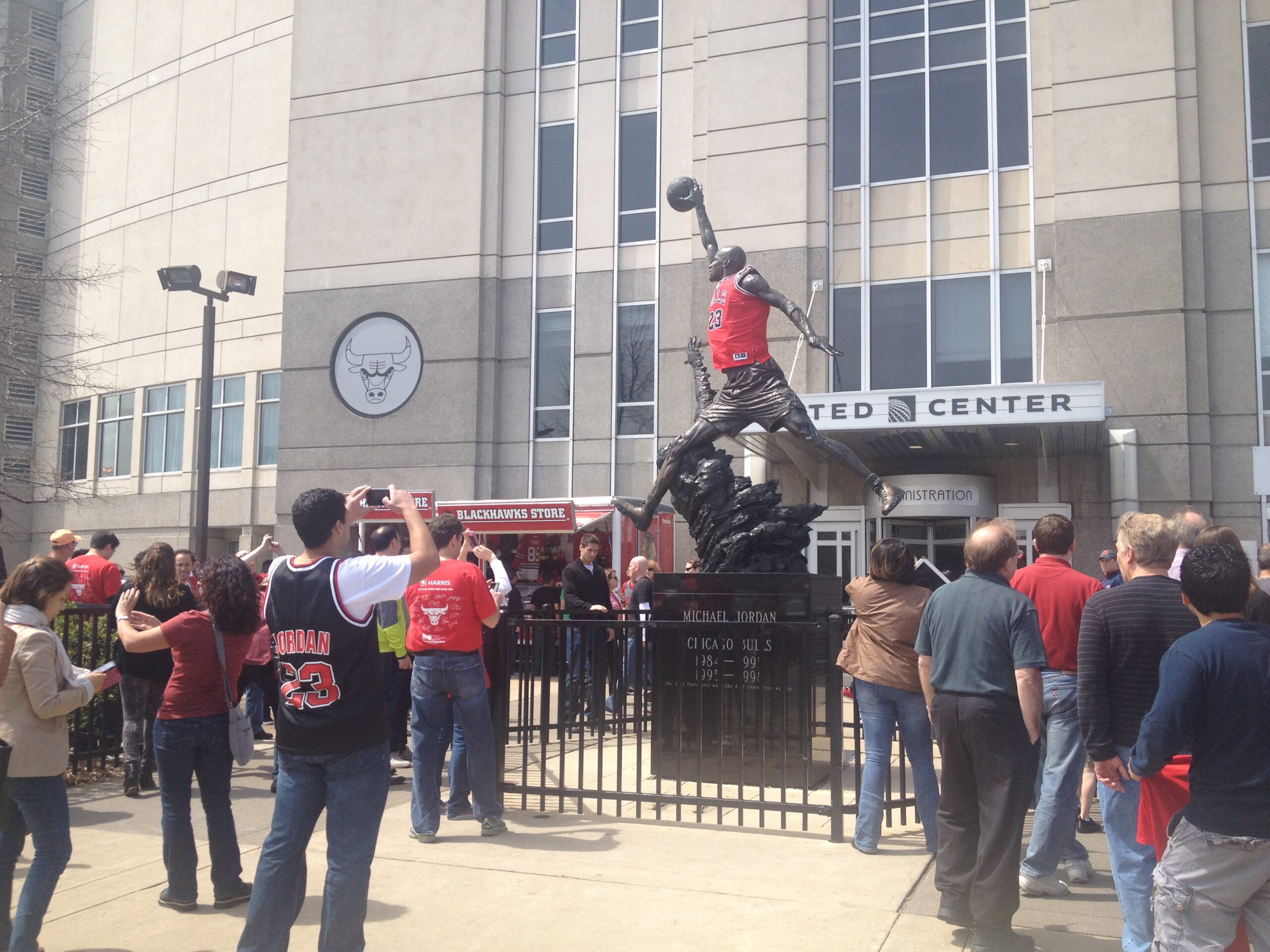
One of our most iconic projects is the Michael Jordan sculpture at the United Center. To capture his legendary gravity-defying ability, our team had to rethink traditional sculpting methods. We chose a pose that emphasizes explosive power and soaring grace. Because of this choice, the statue has become a global symbol of athletic excellence. It stands as a perfect example of how statues are made to inspire future generations.
The craftsmanship involved in this piece required a delicate balance of strength and detail. We meticulously sculpted the folds of the uniform to show the direction of the wind and movement. Additionally, the muscular definition in the legs highlights the sheer force of his jump. By focusing on these specific elements, we created a work that feels as fast and powerful as the man himself.
Crafting the Legacy of James Lovel
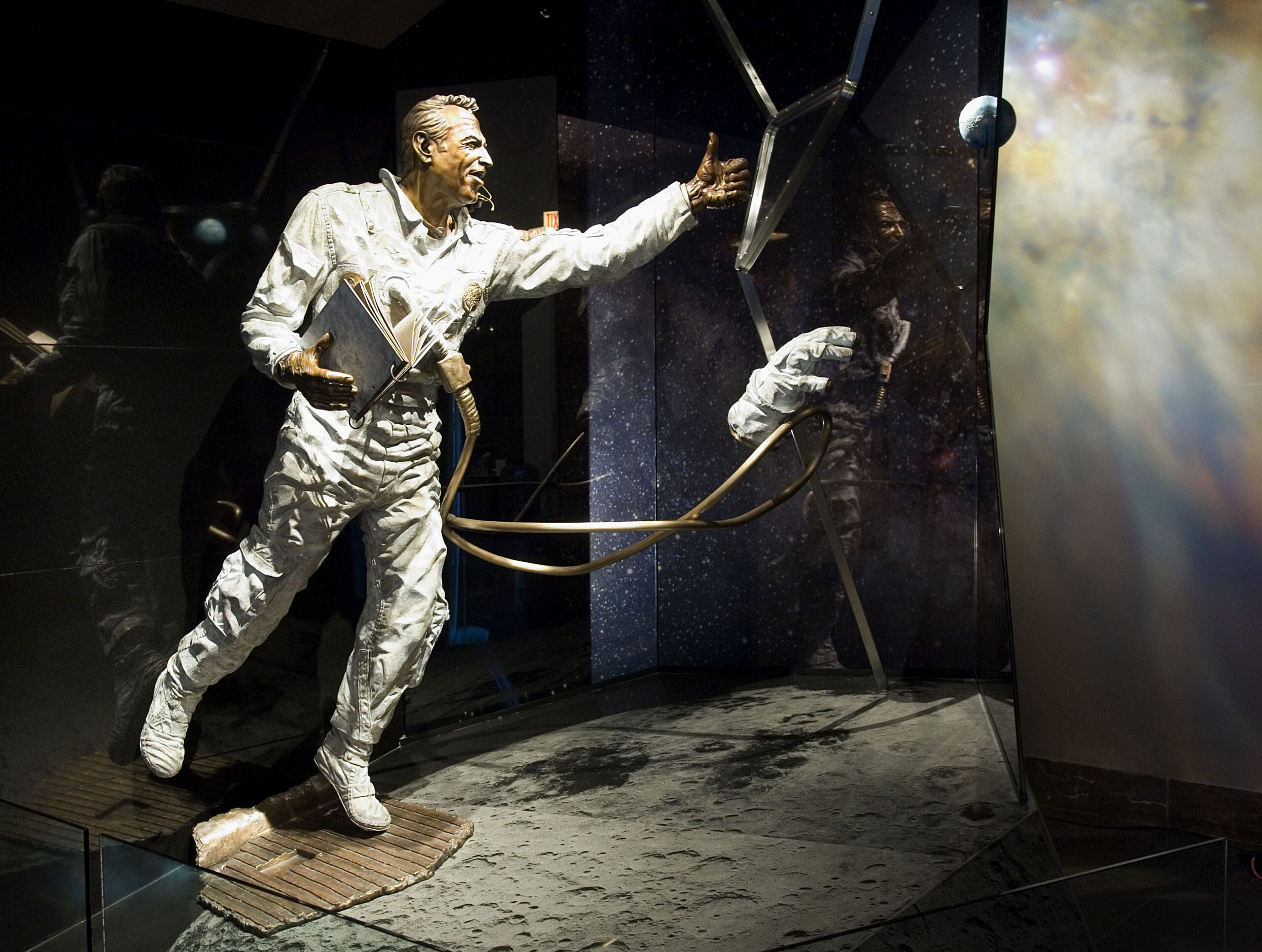
Rotblatt Amrany Studio was commissioned by the Adler Planetarium and Astronomy Museum in Chicago to create a monument of James Lovell, one of the first three astronauts on the Apollo 8 to fly to and orbit the moon, and captain of Apollo 13. “Quest for Exploration” is a contemporary reflection of Lovell’s story and great achievements.
The sculpture depicts Lovell floating in the Apollo 13 above the moon’s surface. He characteristically holds up his thumb to measure the Earth in the distance. Peering out of the module, Lovell’s eyes are squinted in focus with his mouth slightly agape, as if in awe of the magnitude before him. A hose and glove float next to him, suspended in space. The hose is formed in resemblance to the figure eight trans-earth trajectory path the Apollo 13 followed. To the left of the installation are the words of Captain Lovell…“I have seen the Earth as it truly is…A grand oasis in the vastness of space.”
The Intricacy of the Lost Wax Process
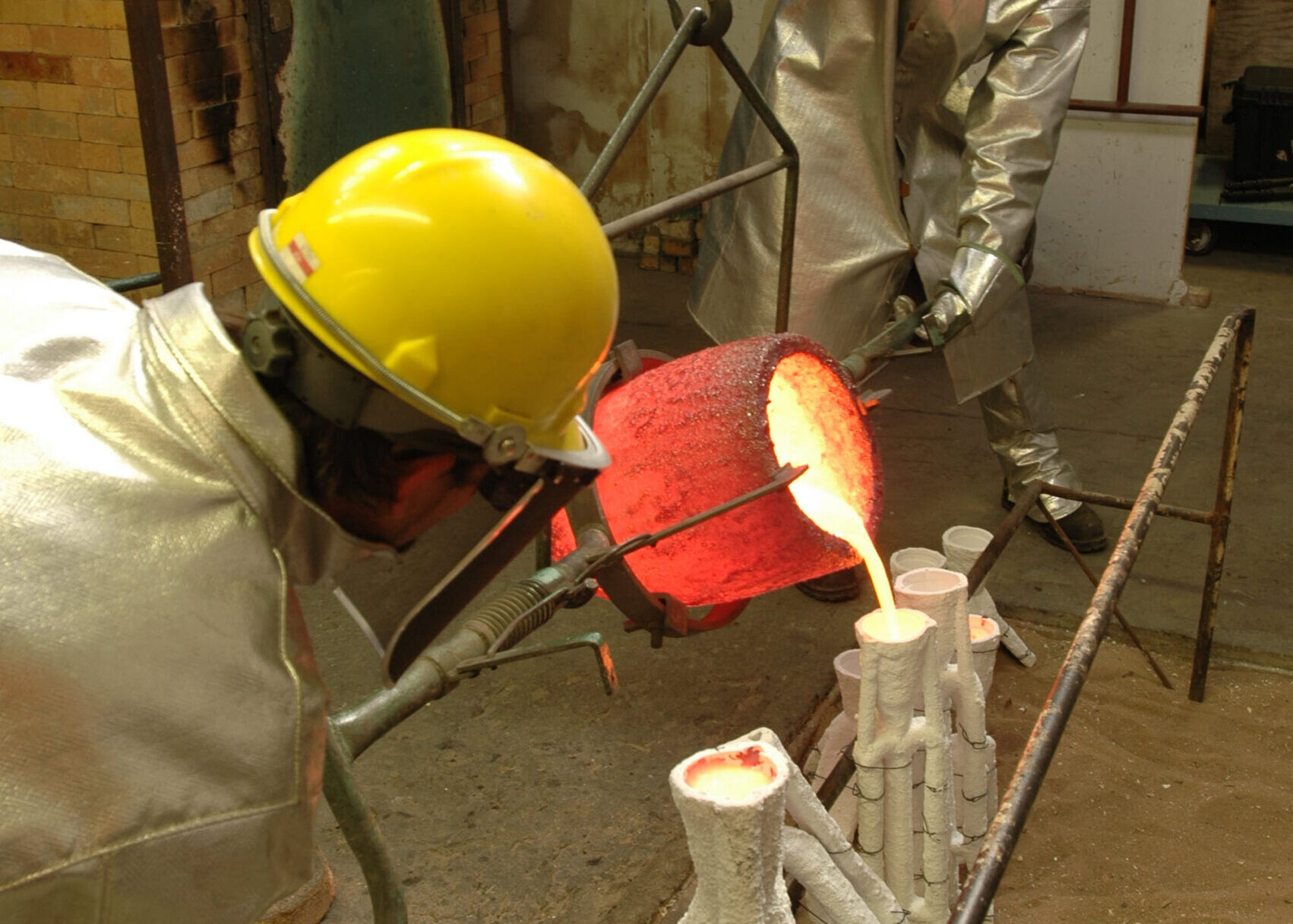
The transition from clay to the final metal version is a feat of industrial engineering. Our team utilizes the lost wax casting process to achieve extraordinary precision. This age-old technique involves creating a ceramic shell around a wax replica of the sculpture. We then pour molten bronze at nearly 2,000 degrees into the resulting cavity. Because this step is so complex, it requires the steady hands of master artisans.
Once the bronze is cast, the work of refining the surface begins. We weld the individual sections together and chase the seams until they disappear. This ensures that the final monument looks like a singular, seamless object. After that, we apply a custom patina to give the metal its final color and depth. This finish protects the work from the elements while enhancing its artistic beauty.
Why Material Choice Matters
Stone and bronze are chosen for their unmatched durability and history. These materials have been used for thousands of years to commemorate the greatest human achievements. Unlike modern materials, bronze develops a natural patina that tells its own story over time. Consequently, the value of the monument actually increases as it ages. It becomes a living part of the landscape that changes with the light and the seasons.
Moreover, the weight of the material provides a sense of visual gravity to a public space. A bronze sculpture acts as a permanent anchor in a world of temporary digital media. It forces people to slow down and consider the significance of the subject. Our team believes that this pause is essential for cultural reflection. Therefore, we treat every pour of metal as a sacred commitment to history.
The Future of Public Landmarks
As we look ahead, the relevance of physical monuments only continues to grow. They provide a common ground where communities can validate their shared history. Whether in a sports arena or a civic plaza, these works invite engagement and dialogue. Our studio remains at the forefront of this movement by combining traditional techniques with modern vision. We are proud to be the builders of these lasting legacies.
Ultimately, the goal of our team is to inspire human progress through art. We want our sculptures to be more than just objects in a park. We want them to be experiences that move and motivate every visitor. By mastering the art of emotion in bronze and stone, we ensure that greatness is never forgotten. We invite you to follow our journey as we continue to shape the landmarks of tomorrow.